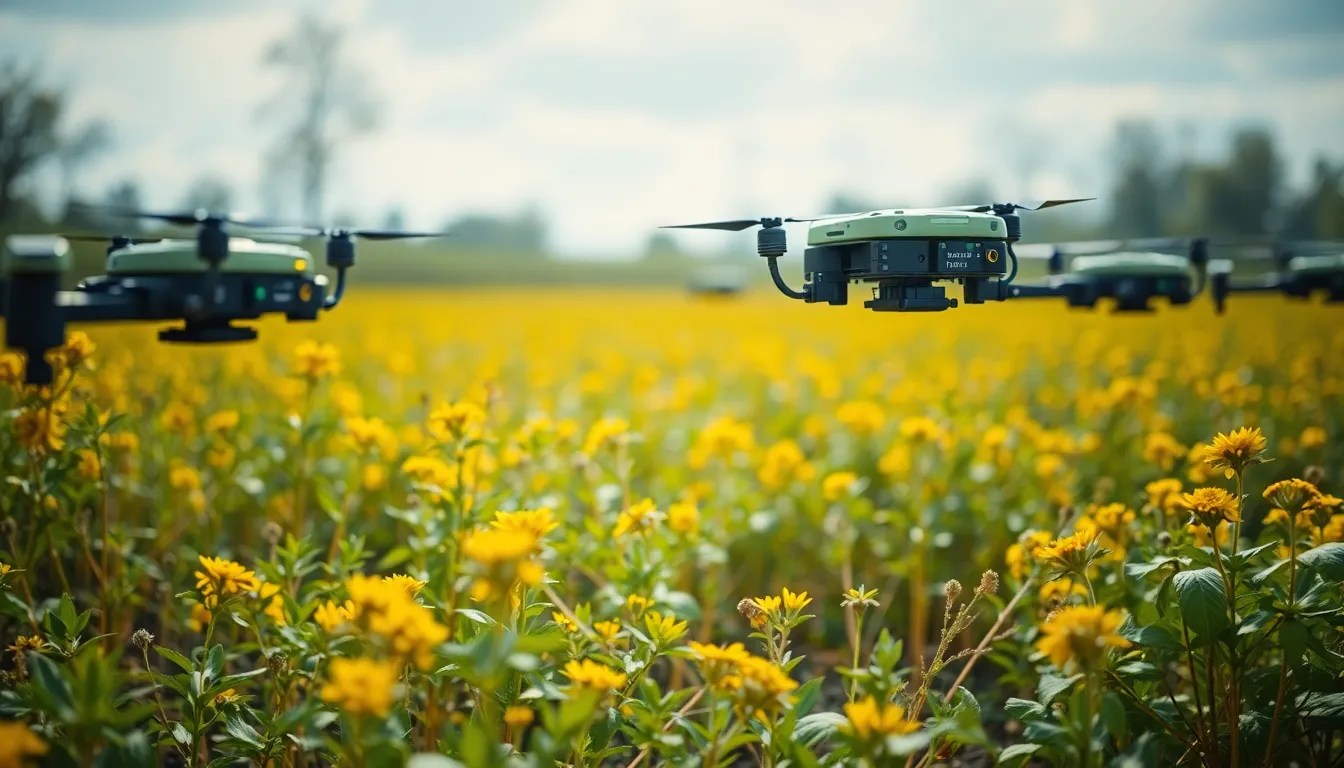
How Swarm Robotics Is Transforming Environmental Monitoring
I. Introduction
Swarm robotics is a revolutionary field that employs multiple autonomous robots to perform tasks collaboratively, mimicking the behavior of social organisms like bees, ants, and flocks of birds. This approach allows for a more dynamic and efficient method of tackling complex problems. In the context of environmental monitoring, swarm robotics plays a critical role in collecting data, analyzing ecosystems, and responding to environmental changes.
The importance of environmental monitoring cannot be overstated. With climate change, habitat destruction, and pollution threatening ecosystems worldwide, innovative monitoring solutions are essential for protecting biodiversity and ensuring sustainable resource management. Swarm robotics is at the forefront of this transformation, offering scalable, cost-effective, and versatile methods to gather and analyze ecological data.
II. The Concept of Swarm Robotics
Swarm robotics is grounded in the principles of swarm intelligence, which is characterized by decentralized control, self-organization, and collective behavior. Unlike traditional robotics, where a single robot performs tasks under a central command, swarm robotics distributes tasks among numerous agents, allowing for parallel processing and increased efficiency.
In nature, swarm robotics draws inspiration from various species:
- Ants: Known for their ability to find the shortest paths to food sources.
- Bees: Demonstrating effective communication and foraging strategies.
- Flocks of Birds: Showcasing coordinated movement and group decision-making.
III. Applications of Swarm Robotics in Environmental Monitoring
Swarm robotics has numerous applications in the realm of environmental monitoring:
- Data Collection and Analysis in Remote Areas: Swarm robots can access hard-to-reach locations, such as dense forests or ocean depths, collecting vital data without human interference.
- Monitoring Biodiversity and Wildlife Populations: These robots can survey habitats, track animal movements, and assess species diversity, providing insights into ecosystem health.
- Assessing Pollution Levels and Environmental Changes: Equipped with sensors, swarm robots can detect pollutants and monitor changes in environmental conditions, facilitating rapid response to ecological threats.
IV. Technological Innovations Driving Swarm Robotics
Several technological advancements are propelling swarm robotics forward:
- Advances in Communication Technologies: Robust wireless communication systems allow swarm robots to share information in real-time, enhancing coordination and collective decision-making.
- Development of Autonomous Algorithms: Sophisticated algorithms enable robots to adapt to dynamic environments, optimizing their behavior based on real-time data.
- Integration of Sensors and Data Analytics: Modern sensors provide high-resolution environmental data, while data analytics tools help interpret this information for actionable insights.
V. Case Studies of Swarm Robotics in Action
Several successful projects showcase the potential of swarm robotics in environmental monitoring:
- SwarmDrones Project: This initiative deployed a swarm of drones to monitor deforestation in the Amazon rainforest, successfully identifying illegal logging activities.
- EcoBot Initiative: A project that utilized swarm robots to assess water quality in lakes and rivers, providing real-time data on pollution levels and ecosystem health.
- Wildlife Conservation Efforts: Swarm robots have been used to track endangered species in their natural habitats, aiding conservationists in protecting these vulnerable populations.
Insights from these projects reveal that swarm robotics can significantly enhance the efficiency and effectiveness of environmental monitoring efforts, leading to improved outcomes for both research and conservation initiatives.
VI. Challenges and Limitations
Despite its promise, swarm robotics faces several challenges:
- Technical Challenges: Issues such as communication failures, environmental interferences, and coordination among robots can hinder operations.
- Environmental and Ethical Considerations: The deployment of robotic systems in sensitive ecosystems raises questions about their impact on wildlife and habitats.
- Limitations in Current Research and Implementation: The field is still developing, with many algorithms and technologies needing further refinement and testing in real-world conditions.
VII. Future Prospects and Trends
The future of swarm robotics in environmental monitoring is bright, with several emerging technologies on the horizon:
- Artificial Intelligence: AI will enhance decision-making capabilities, allowing swarm robots to learn and adapt to new challenges autonomously.
- Interdisciplinary Collaboration: Partnerships between ecologists, engineers, and data scientists will drive innovation, combining expertise to tackle complex environmental issues.
- Global Monitoring Networks: The potential for global networks of swarm robots can lead to comprehensive monitoring of climate change impacts and biodiversity loss across various ecosystems.
VIII. Conclusion
In summary, swarm robotics represents a transformative approach to environmental monitoring, offering innovative solutions for data collection, biodiversity assessment, and pollution tracking. As technology advances and challenges are addressed, swarm robotics will play an increasingly vital role in environmental science.
The significance of swarm robotics extends beyond mere data collection; it symbolizes a shift towards more sustainable and effective environmental stewardship. As researchers and technologists continue to explore this field, there is a pressing need for further research and development to unlock the full potential of swarm robotics in monitoring and preserving our planet’s ecosystems.


