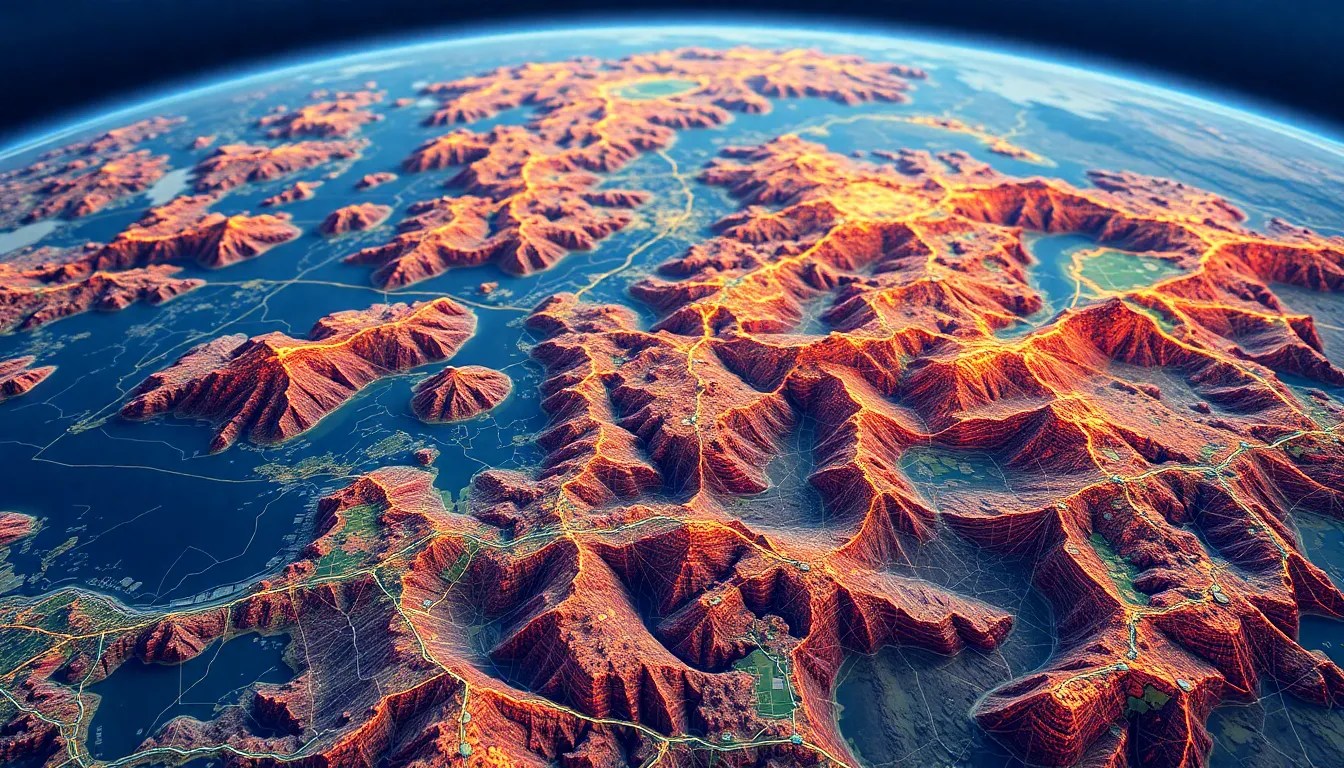
Mapping Trends: The Role of Geographic Data Visualization in Modern Analysis
I. Introduction
Geographic data visualization refers to the graphical representation of data that has a geographical or spatial aspect. This technique allows for the interpretation of data in a way that is more intuitive and insightful, particularly when it comes to understanding patterns, trends, and relationships within the data.
In contemporary analysis, mapping trends is of paramount importance. It enables researchers, policymakers, and businesses to make informed decisions based on geographical insights. As we delve into this article, we will explore the evolution of geographic data visualization, the tools used, applications across various fields, and the challenges that come with it.
II. The Evolution of Geographic Data Visualization
The history of mapping techniques can be traced back to ancient civilizations, where cartography was essential for navigation and territorial claims. Over the centuries, techniques have evolved dramatically:
- Historical Context: Traditional maps were primarily static, hand-drawn representations with limited data integration.
- Technological Advancements: The advent of Geographic Information Systems (GIS) revolutionized mapping by allowing for dynamic data integration and analysis.
- Shift to Digital Platforms: Today, digital and interactive maps provide real-time data visualization, enabling users to interact with the data in meaningful ways.
III. Data Sources and Collection Methods
Geographic data comes from various sources and collection methods, which can broadly be categorized as follows:
- Satellite Imagery: High-resolution images from satellites provide critical data for environmental monitoring and urban planning.
- GPS Data: Global Positioning System technology allows for precise location tracking and has applications in logistics and transportation.
- Social Media: User-generated content on platforms like Twitter and Instagram can provide real-time insights into public sentiment and behavior.
The role of big data significantly enhances geographic analysis by allowing for the integration of vast amounts of data from these sources. However, it also raises ethical considerations regarding data collection and privacy, necessitating a careful approach to ensure compliance with regulations and respect for individual rights.
IV. Tools and Technologies in Geographic Visualization
Several tools and technologies are pivotal in the field of geographic visualization:
- Popular GIS Software: Tools like ArcGIS, QGIS, and Google Earth are widely used for geographic analysis and visualization.
- Emerging Technologies: The integration of AI and machine learning enhances predictive analytics in geographic data. Augmented reality (AR) applications are also emerging, allowing for immersive data exploration.
Case studies illustrate how innovative visualization tools are applied in various sectors. For instance, local governments employ GIS technology to optimize city planning and infrastructure development, while environmental organizations utilize satellite data to monitor deforestation and habitat loss.
V. Applications Across Various Fields
The applications of geographic data visualization are vast and impactful:
- Urban Planning: Geographic visualization aids in infrastructure development, zoning, and resource allocation.
- Environmental Monitoring: It is crucial for tracking climate change effects, natural disasters, and biodiversity conservation.
- Public Health: Geographic data visualization plays a vital role in epidemic tracking and health resource distribution.
- Marketing: Businesses leverage geographic insights to analyze consumer behavior and optimize marketing strategies.
VI. Challenges and Limitations
Despite its benefits, geographic data visualization faces several challenges:
- Data Accuracy: Concerns regarding the reliability of data sources can lead to flawed analyses and conclusions.
- Complexity of Representation: The complexity of visual representation can overwhelm users, making it challenging to communicate insights effectively.
- Potential for Misinterpretation: Bias in data visualization can result in misleading interpretations, necessitating careful design and analysis.
VII. Future Trends in Geographic Data Visualization
The future of geographic data visualization is promising, with several trends on the horizon:
- Impact of 5G and IoT: The proliferation of 5G technology and the Internet of Things (IoT) will facilitate real-time data collection and visualization, enhancing decision-making processes.
- Integration of Virtual Reality: Virtual reality (VR) is expected to create immersive mapping experiences, allowing users to explore geographic data in innovative ways.
- Participatory Mapping: The importance of community engagement in mapping initiatives is growing, enabling localized insights and fostering collaboration.
VIII. Conclusion
In summary, geographic data visualization is a crucial tool in modern analysis, providing insights that drive better decision-making across various sectors. As technology continues to advance, the potential for innovative applications and improvements in geographic visualization is substantial.
Researchers and practitioners are encouraged to leverage these tools and methodologies to enhance their analyses and contribute to a more informed society. The intersection of geographic data and visualization will undoubtedly shape the future of how we understand our world.


