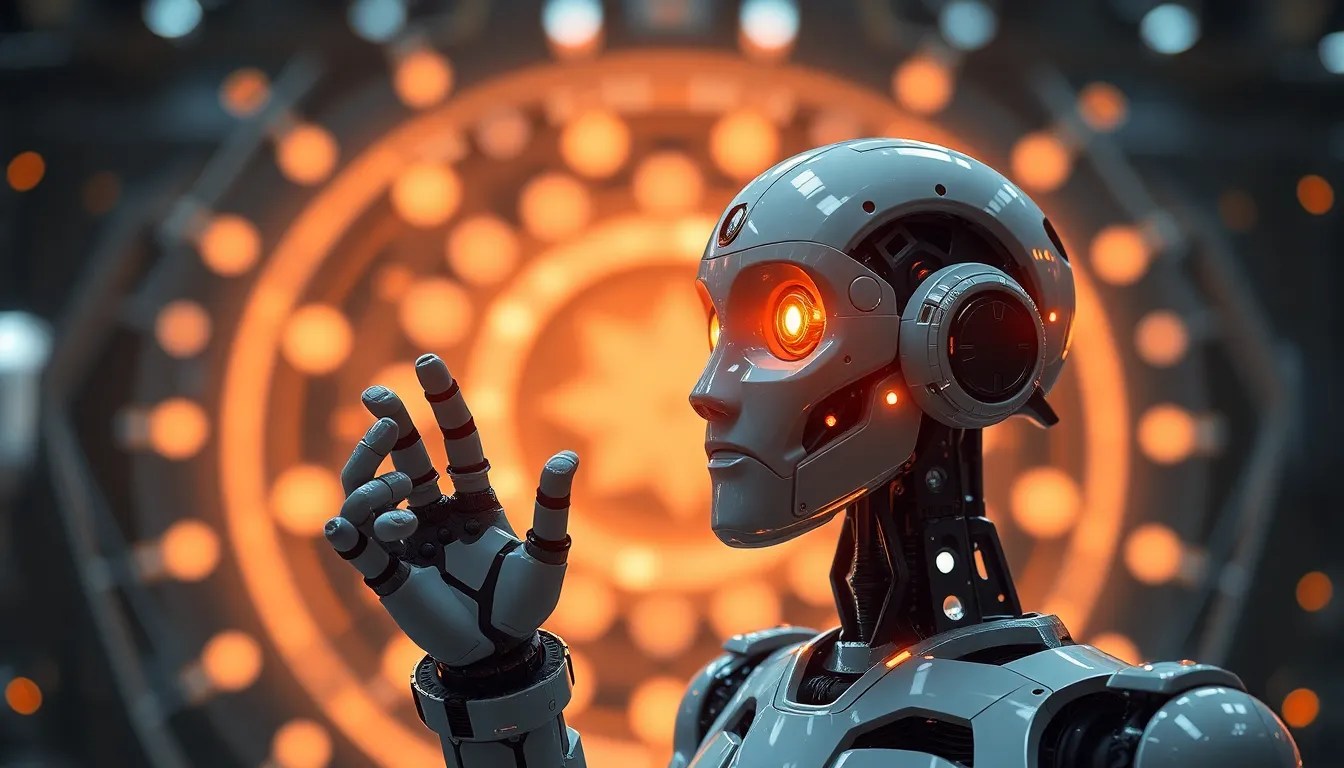
The Future of Robotics: How Sensors Are Enabling Advanced AI
1. Introduction to Robotics and AI
Robotics combines engineering, computer science, and other disciplines to design and build robots that can perform tasks autonomously or semi-autonomously. Artificial Intelligence (AI), on the other hand, refers to the simulation of human intelligence in machines designed to think and learn. Together, these fields are revolutionizing industries and everyday life.
The evolution of robotics has been significantly influenced by the integration of sensors, which enable robots to perceive their environment and make informed decisions. This article explores the future trends in robotics, emphasizing how advancements in sensor technologies are paving the way for more intelligent and capable robotic systems.
2. The Role of Sensors in Robotics
Sensors are critical components in robotic systems, allowing them to collect data about their surroundings and interact effectively. Various types of sensors play distinct roles:
- Visual Sensors: Cameras and imaging systems that provide visual data for object recognition and navigation.
- Auditory Sensors: Microphones that enable robots to detect sound and respond to auditory cues.
- Tactile Sensors: Devices that simulate the sense of touch, allowing robots to feel pressure, texture, and temperature.
These sensors collect data that is processed by machine learning algorithms, enabling robots to learn from their environment, adapt to new situations, and improve their performance over time.
3. Advancements in Sensor Technology
Recent innovations in sensor design and functionality have significantly enhanced robotic capabilities. Some cutting-edge sensor technologies include:
- LiDAR (Light Detection and Ranging): A laser-based technology that measures distances to create high-resolution maps of the environment.
- IMUs (Inertial Measurement Units): Sensors that provide orientation and acceleration data, crucial for navigation and stability.
- Biosensors: Devices that monitor biological changes, enabling applications in healthcare and environmental monitoring.
The miniaturization of sensors and reductions in cost have made it feasible to deploy large numbers of these devices in various applications, enhancing the capabilities of robotic systems.
4. Enhancing Perception and Decision-Making in Robots
Advanced sensors are transforming how robots perceive their surroundings. Technologies like depth sensing and object recognition enable robots to understand and navigate complex environments more effectively. The integration of AI allows for real-time decision-making based on sensory data. For example:
- Healthcare: Surgical robots use advanced imaging sensors for precision during operations.
- Manufacturing: Industrial robots utilize sensors for quality control and adaptive manufacturing.
- Agriculture: Autonomous drones equipped with sensors monitor crop health and optimize resource use.
These case studies illustrate the profound impact that enhanced perception and decision-making capabilities have on various fields.
5. The Intersection of Robotics and Internet of Things (IoT)
The Internet of Things (IoT) significantly enhances robotic systems by providing ubiquitous connectivity, allowing robots to communicate with other devices and systems. Sensors play a vital role in gathering real-time data, leading to smarter robots capable of responding dynamically to changing conditions. For instance:
- Smart Cities: IoT-enabled robots manage traffic, reduce energy consumption, and enhance public safety.
- Smart Homes: Home automation systems integrate robots for tasks such as cleaning and security monitoring.
The future of IoT-enabled robotics promises unprecedented efficiency and convenience in everyday life.
6. Ethical Considerations and Challenges
As robotics and AI continue to advance, ethical considerations become increasingly important. Key challenges include:
- Data Privacy: Ensuring that personal data collected by sensors is protected and used responsibly.
- Security: Safeguarding robotic systems from malicious attacks that could compromise their functionality.
- Bias: Addressing potential biases in sensor data that could lead to unfair or unsafe outcomes.
Developing responsible AI and robotic systems is essential to navigate these challenges and foster public trust.
7. Future Trends in Robotics and Sensor Integration
Looking ahead, the landscape of robotics and AI is poised for transformative changes. Predictions for the future include:
- Autonomous Vehicles: Continued advancements will lead to safer and more efficient self-driving cars.
- Drone Delivery: The rise of drones for logistics and delivery services is set to revolutionize supply chains.
- Human-Robot Collaboration: Enhanced interaction between humans and robots will foster a cooperative work environment.
These emerging fields highlight the potential for robotics to augment human abilities and improve quality of life.
8. Conclusion
In conclusion, sensors are playing a transformative role in the advancement of robotics and AI. The integration of sophisticated sensor technologies enhances the perception and decision-making capabilities of robots, enabling them to perform increasingly complex tasks.
As we look to the future, it is crucial to continue research and development in robotics while addressing ethical considerations to ensure that these technologies benefit society as a whole. The potential for robotics and AI to change our world is immense, and it is essential that we approach this evolution with responsibility and foresight.


